Loading…
Productivity · Integration Guide5.0/5.0 on Upwork · Top Rated
Jotform OneDrive integration
Jotform to OneDrive, wired so submission files land in your Microsoft 365 storage, in folders the team can actually find.
Buri IlterEx-Jotform engineering lead · LinkedIn
If your team lives in Microsoft 365, the Jotform to OneDrive integration is the natural place for submission files to go. Uploaded attachments and the submission PDF save into OneDrive automatically, so they're in the same storage as the rest of your documents instead of locked inside Jotform's submission view. For Microsoft shops, it just works once it's pointed at the right folder.
The things to get right are organizational and about which Microsoft storage you're actually using. OneDrive personal storage and SharePoint document libraries behave differently for sharing, and files can pile into one folder if you don't configure subfolders. The integration saves files reliably; the work is making sure they land somewhere the team can navigate and access. This page covers how it saves, the personal-versus-shared distinction, and the handful of gotchas worth knowing.
The Microsoft storage integrations were low-drama once connected; the tickets that did come in were about folder structure, file naming, and the difference between personal OneDrive and a shared SharePoint library. Here's how to set it up cleanly.
How it works
How Jotform and OneDrive connect.
- 01
Authorize Microsoft and pick a folder
In Jotform's Integrations tab you authorize Microsoft access and choose a destination folder in OneDrive. The account you authorize determines whose storage the files land in, which matters for who can reach them.
- 02
Choose what gets saved
You decide whether to save uploaded files, the submission PDF, or both. Uploaded files are the attachments from file-upload fields; the PDF is a formatted copy of the submission. Most teams save both for a complete record.
- 03
Files save on each submission
On submit, Jotform pushes the chosen files into OneDrive. These are durable copies in your Microsoft storage, so they persist even if the original submission is later deleted from Jotform.
- 04
Folder and naming follow your configuration
Configure a subfolder per submission and name files from form fields so each upload is identifiable. Skip that and everything lands in one folder with default names, which gets unwieldy on busy forms.
Common workflows
What Jotform plus OneDrive is actually good at.
- 01
Document intake for a Microsoft 365 team
Onboarding or compliance forms collect documents that save straight into the team's OneDrive, in the same environment they already use for everything else. No exporting from Jotform, no separate cloud to manage.
- 02
Application and submission archive
Applications or entries save their attachments and a PDF copy to OneDrive as a durable archive that outlives Jotform's retention. Useful for records you need to keep well past the form's active period.
- 03
Photo or field-report uploads
Forms collecting images or field reports route them into OneDrive folders the team browses in File Explorer or the web. Naming files from a form field keeps them sortable.
- 04
Backup copy alongside structured data
Saving the submission PDF to OneDrive gives a human-readable backup outside Jotform, pairing well with an Excel or webhook integration that handles the structured field data.
What breaks
Edge cases that bite in production.
Risk 01
Personal OneDrive vs shared SharePoint library
Files saved to a personal OneDrive are owned by that one account, which complicates team access and continuity if the person leaves. For team documents, a SharePoint document library is usually the better target. Decide which Microsoft storage you actually want before authorizing, because it affects sharing and ownership.
Risk 02
Everything lands in one flat folder
Without per-submission subfolders, a busy form fills a single folder fast. Configure a subfolder per submission and name it from a form field (name, date, ID) so files stay organized and findable.
Risk 03
Generic file names you can't tell apart
Default names don't indicate which submission a file belongs to. Map a form field into the file name so each upload is identifiable. Otherwise matching files to submissions later is guesswork.
Risk 04
Storage quota and sensitive data still apply
Files count against the Microsoft account's storage quota, so high-volume forms with large uploads can fill it. And OneDrive is not a compliant store for PHI or other regulated data unless your Microsoft 365 tenant has a BAA and is configured for it.
Hit one of these edge cases?
I ran into them for five years on the Jotform product team. Book a free call and I'll tell you exactly how to handle your OneDrive setup, or send me the details first.
Book a free callOr send me the details·No form needed: just email hi@workflowautomationkits.com your form URL
When not to use
When Jotform plus OneDrive isn't the right call.
This integration is reliable for what it does. Skip it as your only system if you need the structured field data (pair it with Excel, a webhook, or another data store, since OneDrive holds files, not queryable rows). For team-owned documents, target a SharePoint library rather than a personal OneDrive so access survives staff changes. And don't route PHI or regulated uploads into standard OneDrive storage without a BAA and proper tenant configuration.
Kits that use this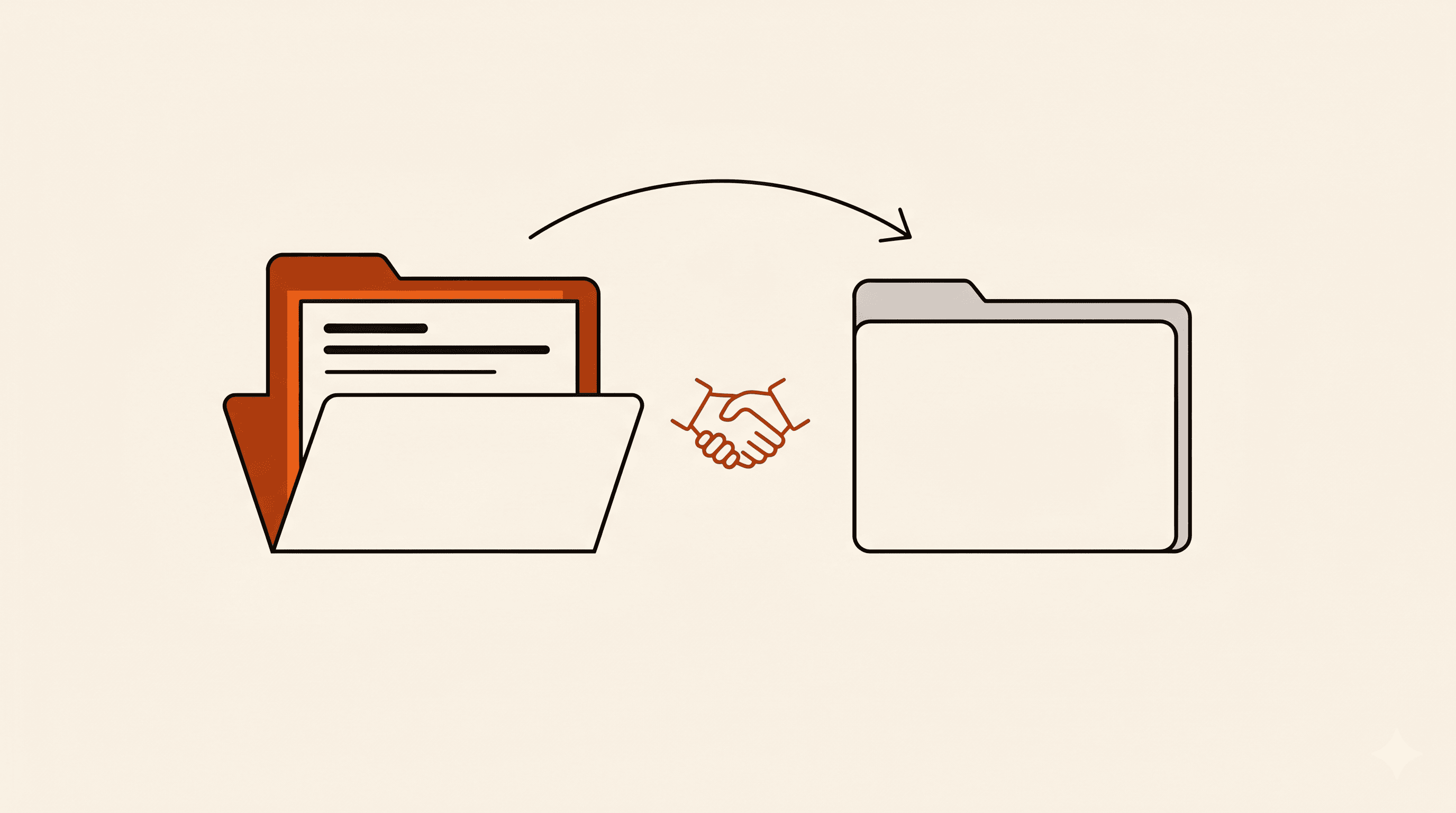 agency
 hr
hr membership
Automation kits built on OneDrive.
Client Onboarding Kit
The onboarding flow every agency wishes they had before their first client was late with assets
Job Application Pipeline Kit
Knockout screening, resume routing, candidate tracking. ATS-free for under 10 hires a year.
Membership Signup & Retention Kit
Recurring membership on Jotform: tier selection, Stripe billing, welcome drip, and dunning baked in
Frequently asked
Questions I get before setting this up.
How do I save Jotform uploads to OneDrive?
In Jotform's Integrations tab, authorize Microsoft, choose a destination folder, and select whether to save uploaded files, the submission PDF, or both. On each submission the chosen files push to that folder. Configure per-submission subfolders and field-based file names to keep them organized.
Should I use OneDrive or SharePoint for Jotform files?
For team documents, a SharePoint document library is usually better than a personal OneDrive, because personal OneDrive files are owned by one account and access gets complicated if that person leaves. Decide which Microsoft storage you want before authorizing, since it affects sharing and ownership.
Why can't my team open the Jotform files in OneDrive?
Access follows the storage location's sharing settings. If files saved to a personal OneDrive aren't reachable, that's expected; point the integration at a shared location or a SharePoint library and set the sharing there. The integration places the files; Microsoft controls who can open them.
Are the files kept if I delete the Jotform submission?
Yes. The integration saves durable copies into your Microsoft storage, so files and the submission PDF survive even if the original submission is removed from Jotform. They then count against that account's storage quota.
Want this wired up without the reading?
Free 20-minute call. I'll tell you which workflow fits your OneDrive setup and what it would take to build, or you can send me the details first.
Book a free callOr send me the details·No form needed: just email hi@workflowautomationkits.com your form URL